Divide and Conquer- Fill the Empty spaces in your Garden!
 |
| Hardy Geranium |
It is for that very reason that I don’t often have a empty place in my garden. You see one of my greatest thrills in gardening comes from realizing just how many plants I can divide into even more!
There are a few “rules” for division. Don’t move a plant when its flowering. Or about to flower. And spring and fall is the best time to conquer this task. Though I have been known to move a plant in the heat of summer if I get the urge.
Sure there are a few plants that simply do not like to touched. Plants are kind of like people in this respect. Some are easy going and can be moved from place to place. Then there are a few have temperamental moods. For these, yes, leave them where you plant them - if possible. I mean really, why deal with the drama? And of course, there are the stubborn ones, like large grasses, that take a bit of elbow grease to get them where they need to go.
Here are a few plants to move/separate /divide easily include:
- Hosta
- Daylily
- Daisy
- Black Eyed Susan
- Sedum
- Phlox
- Grasses
- Veronica
- Iris
- Oriental Lilies
- Lamb’s ear
- Hardy Geranium
- And many more!
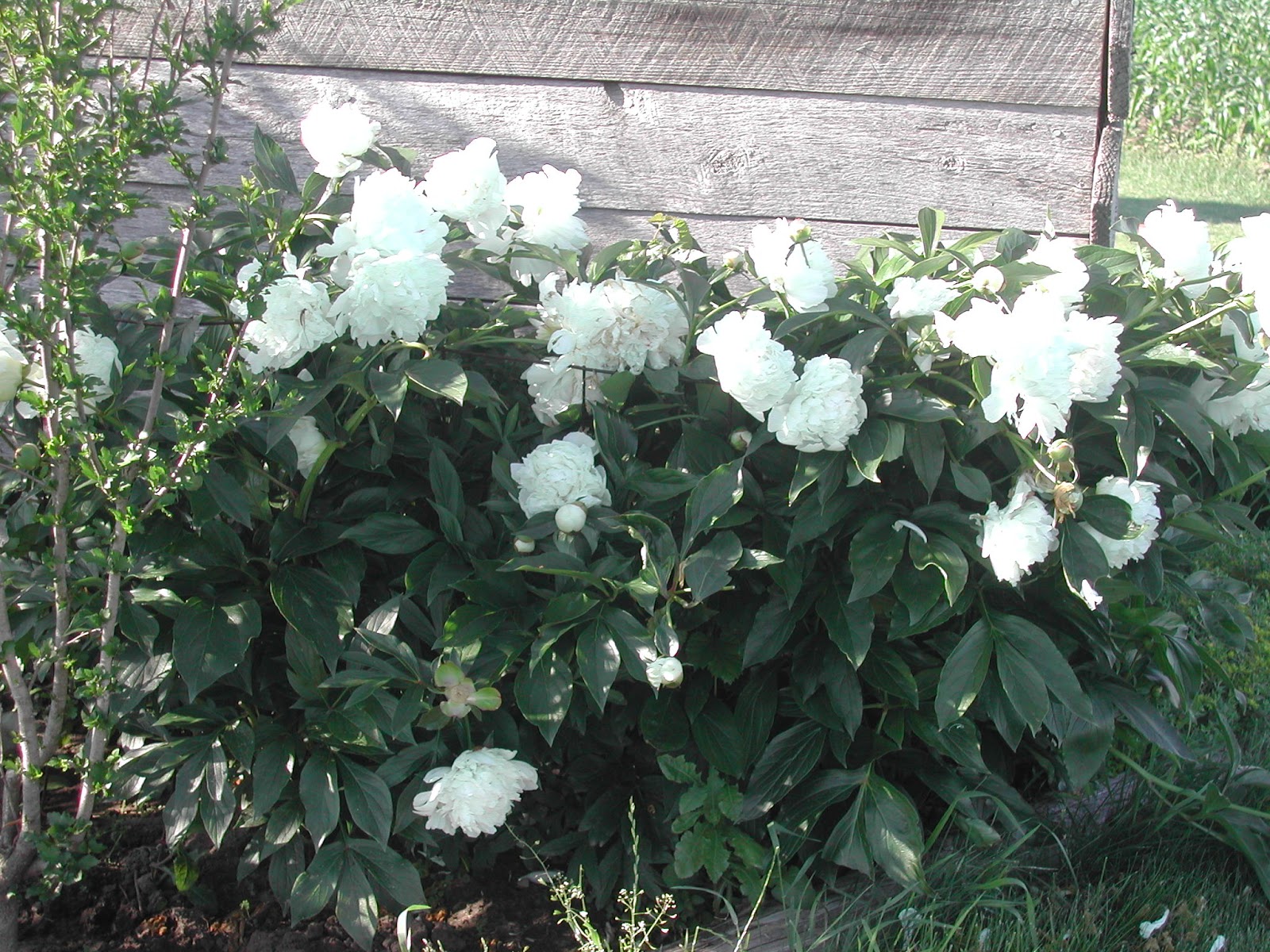 |
| Peonies |
 |
| Clematis |
Plants that prefer not to be moved (see notations):
- Peonies (If you do move, be sure to bury the rizomes just below the surface. Then expect to wait a couple of years for blooms.)
- Lavender (Small plants that have sprouted from the edges of this plant, can be dug and replanted.)
- Hydrangea
- Roses
- Clematis (Due to a remodel project, I had to move two this year- so far so good.)
The premise for dividing or separting a plant is basically the same. Dig a large area around the plant and lift it carefully out of the ground. Then begin making more!
Try these simple steps for division:
- For plants with tubers like daylilies, shake the dirt off the tubers and gently pull them apart. It is not unusual to have more than 10 to 15 plants from a large clump.
- For hostas, use the same method, except you will find think roots instead of tubers.
- For Iris and Peonies, you will find risomes, which are a bit tougher to break apart.
- For grasses, dig the entire clump out and use a sharp axe or shovel to cut the clump in to pieces.
- For Veronica, garden plox, daily, Lamb’s ear, Black eyed susan’s dig up small plants from the edges and replant.
Now find a empty place in your garden with the same type of conditions, sun, shade, etc…that the parent plant had. Dig a small hole, put in your new plants- and water daily for a couple of weeks!
I know this seems pretty simple. And it really is. Will you loose some plants? Sure. But gardening is filled with trial and error.
And if you have some extra plants when your through, just share the extras with your friends! And spread the love of gardening!
Labels: daisy, daylily, Dividing plants, Grasses, Hosta, moving, sedum, separating
posted by Brenda @ 6:19 AM
0 Comments