"Art is in the eye of the beholder." So what does your garden's art say about you?
Do you like antiques? Are you a flea market flipper? Are you into cute pieces that add a whimsical touch to the space? Do your pieces offer a bold statement? The good thing is there is no right or wrong rules to art!
Like many of us my garden art started out small and inexpensive. A cute little stake from the local dollar store, where yes, I still occasionally find something I must have. Many times a gift from a family member. Of something I found at a sale. Since then, I have tried to move to more substantial pieces.
When buying garden art there are several things to take into consideration.
- The size of your space.
- Weather conditions. Will endur, sun, wind, tree sap, pets, children, etc.
- Your style Whimsical, contemporary, country, classic or bold?
- Movement and Sound
- Cost.
- Storage space. Remember, if it is fragile and must be stored inside during the winter.
Size
 |
| Simple lines add height. |
In relation to size, this could be the overall size of your yard, a garden area, or size of the art itself. Bold pieces can be larger and still work in a small space. Where as, a small piece may be tucked between plants and feel lost. There are pieces that add height and depth to a garden with many low growing plants.
Large sculptures or multiples can compliment a massive landscape. Take this display of wine bottle trees (below). It is beautiful in the area it was created for, but would over power many smaller yards. Still the idea is cool, and could be recreated with just one or three, odd numbers are best, for a smaller space.
While the small vertical metal sculpture (right) adds height to a small garden.
 |
Large wine bottle tree sculpture.
\
|

 |
Glass pieces should be
well protected. |
Weather
Numerous weather conditions take their tole on garden art. Art placed in sunny spaces are subject to afternoon sunshine that can bake glass or inexpensive pieces making them brittle. Unprotected, hail storms can break these pieces too.
In the country and along shorelines, wind is big factor. I have lost a few too many gazing balls because the the wind knocked them over and broke them. I know make sure I either have a heavy base or stake them down. I also use silicone to keep the balls in the bases.
Inexpensive garden art, while cute, is rarely durable enough to last more than a season or two. Its a great way to get started, and until you learn your style, but at some point you may want to invest in pieces that last longer.
For myself, I've learned living in the open area of the county and in a climate where winter takes a tole on anything outside, garden art must be stored inside if there is any fragility to it. That said, my must have items, are now made out of concrete, stone or metal. which means less seasonal storage.
Style
 |
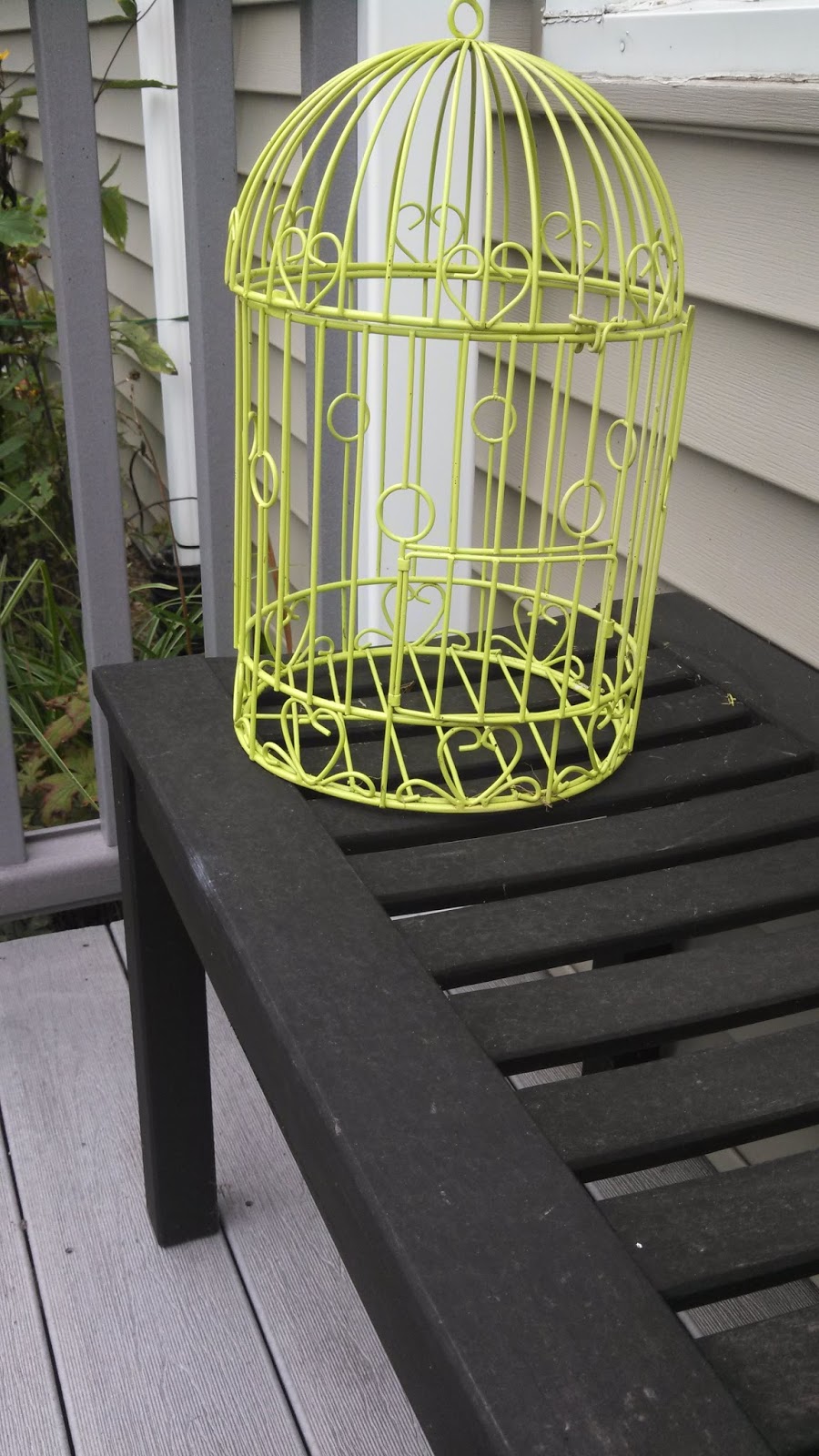
Birdcages, sprayed in
bright colors
add whimsy. |
Garden styles vary from stunning to casual, from cutsie to contemporary. The great thing is - no style is wrong. It is all in the eye - and heart of the gardener who creates it.
 |
Gazing balls made
out bowling balls. |
You may want all your garden spaces to reflect one overall feel, or you may mix and match each space. Be careful of creating clutter filled areas. Art should compliment your plantings, not overpower them.
 |
Concrete benches are classic
and offer a resting place
for guests to enjoy your work! |
For example, a dark shaded area might do well with a light colored reflective gazing ball or brightly colored bird cage.
While a bright and sunny area an tolerate simpler lines of concrete pieces.
 |
Art that moves,
adds another
dimension
to a garden area. |
 |
Art that adds sound can bring
peace and tranquility to a space. |
Movement and Sound
Enjoying the sounds of nature is one of the gratifying aspects of gardening. Yet, art that provides movement and sound play a part in an enjoyable garden experience, too.
Windmills and wind chimes, are classic sound and motion objects, have been added to garden spaces for decades. More contemporary options such as, art features based on style and choice.
 |
Find pieces that fit your area,
whether by definition
or by character.
|
Ponds and water features add another yet another element that not only brings a quieting to the soul, but also provide a perfect place for birds and other animals to play and provide a more natural environment. Mixing your art so that it complements both is important.
 |
Cut off trees offer options
to add art to a space. |
Cost
 |
Contemporary art gives off'
a whole different element.
|
Ah yes, the is dreaded conversation, "the budget" of the gardener. Being creative!
Especially, if your budget limited. Check out pinterest for ideas. Hit the early spring garage sales and turn someone else's trash in your garden treasure!
Still saving for that one special piece? Maybe it is for a memory garden, or to remember a special event?. Keep your eye on the prize! The wait will be worth enjoying that object placed in that special place in your garden.
And if the skies the limit in your budget, find a unique piece - or have a local artist make if for you!
Storage
And don't forget, if you buy, or make a piece that is fragile - or you live in a area where conditions vary drastically by season... storage is a must for the life of your garden art. Protect your investments!
If you have the space, open shelving units work wonderful. Brush off dirt and wash any bird droppings before storing. Use boxes with newspaper to separate fragile pieces will also be of help.
Also if you organize the shelves, per your yard spaces, putting them back out next season is effortless.
The most important part is to protect them from freezing and thawing temps.
No matter the size of your space, the weather where you live, or the your budget- find that special piece of art to add to your garden this year!
Any ideas? Please share them!
Labels: contemporary, Garden art, movement, size, space, storage, unique